Every cheer and gymnastics gym lives with a basic tension: the skills that make the sport exciting are the same ones that cause injuries. Stunts go up, athletes go airborne, and bodies meet mats, beams, and bars at speed. You cannot eliminate risk entirely — but you can manage it. And how well you manage it shows up directly in two places: your injury rate and your insurance premiums.
This article covers the most common injuries at cheer and gymnastics facilities, the role of workers compensation for your coaching staff, and the concrete risk-management practices that keep athletes safer, keep claims down, and ultimately lower what you pay for coverage.
The Most Common Injuries at Cheer & Gym Facilities
Understanding where injuries cluster helps you focus your prevention efforts. The most frequent injuries in cheer and gymnastics include:
- Falls from stunts — flyers coming down from pyramids, baskets, and lifts, often resulting in head, neck, wrist, and ankle injuries
- Tumbling injuries — wrist, ankle, knee, and back injuries from passes, round-offs, and back handsprings
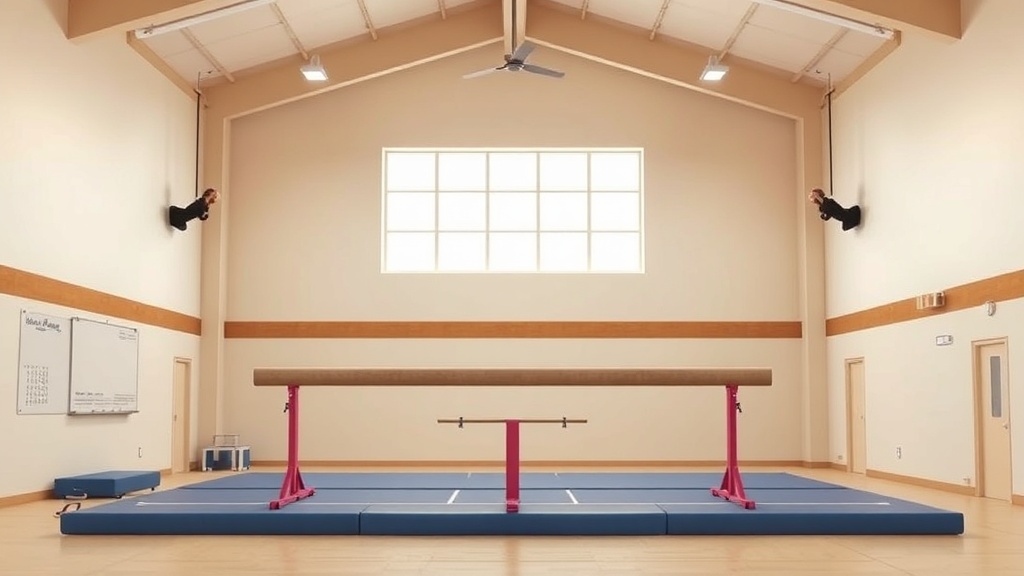
- Beam injuries — falls and missed landings causing ankle sprains, shin contusions, and worse
- Bar injuries — grip tears, falls during release moves, and shoulder strains
- Overuse injuries — stress fractures, tendinitis, and growth-plate issues from repetitive high-volume training
These injuries affect athletes, but coaches and staff get hurt too — and that is where workers compensation comes in.
Workers Comp for Coaches and Staff
If you employ paid coaches, front-desk staff, or any other workers, workers compensation insurance is legally required in nearly every state. It covers medical care and lost wages when an employee is injured on the job and shields your gym from employee injury lawsuits.
Coaching is physical work. Common staff claims include back and shoulder injuries from spotting, strains from demonstrating skills, and slips on the floor. A coach who catches a falling flyer awkwardly can be out for weeks. Workers comp premiums are based on your payroll and your claims history — which is exactly why the risk-management steps below pay you back twice: fewer injuries to athletes *and* fewer to staff.
Spotting Protocols
Spotting is both a safety tool and an injury source. Tighten it up:
- Require qualified spotters for any new or high-difficulty skill, and never let athletes attempt advanced skills unspotted before they are ready
- Train proper spotting mechanics so coaches protect their own backs and shoulders while protecting athletes
- Use progressions — athletes earn skills in a documented sequence rather than rushing ahead
- Match coach-to-athlete ratios to the difficulty of the activity
Documented progressions also matter for liability: if a claim alleges you advanced an athlete too fast, your written progression system is your defense.
Equipment Maintenance and Inspection
Worn or improperly set up equipment is a preventable cause of serious injury. Build a routine:
- Inspect daily — check mats for gaps and tears, bars and beams for stability, and springs for wear
- Document inspections — a simple log proves diligence and protects you if a claim arises
- Replace on schedule — foam pits compress and lose protective value over time; tumble track springs wear out
- Secure setups — ensure beams, bars, and vaults are anchored and spaced correctly with proper landing zones
Mat Standards and Landing Surfaces
Mats are your single most important safety investment. Make sure:
- Tumbling and stunt areas have adequate thickness and coverage with no exposed hard floor in landing zones
- Mats are the right type for the activity — spring floors, landing mats, and skill cushions each serve a purpose
- There are no gaps between mat sections where an ankle can catch
- Equipment surroundings, including bars and beams, have proper matting underneath and around them
Meeting recognized mat and apparatus standards is not just safer — many insurers and governing bodies expect it.
Build a Safety Culture and Document Everything
The strongest risk-management tool is culture. Gyms with the lowest injury rates share common habits:
- Written safety policies that every coach knows and follows
- Incident reporting — every injury, even minor ones, gets logged with details
- Ongoing coach education in safety, spotting, and first aid/CPR
- Athlete readiness checks before progressing skills
- Clear communication with parents about risks and protocols
Documentation is your friend at every step. Inspection logs, training records, and incident reports demonstrate diligence and become powerful evidence if a claim is ever filed.
How a Clean Claims Record Lowers Your Premiums
Insurance pricing rewards safety. Carriers look closely at your loss history — the frequency and severity of past claims — when setting your premium. A gym with a clean, well-documented claims record is seen as a lower risk and typically earns better rates over time. The opposite is also true: a string of injury claims can drive premiums up sharply or make coverage harder to find.
Every prevention step in this article does double duty. Fewer injuries mean fewer claims. Fewer claims mean a cleaner loss history. A cleaner loss history means lower premiums year after year. Risk management is not just safety — it is one of the best returns on investment a gym owner can make.
Partner With an Agency That Knows Your Sport
Reducing injury and workers comp risk takes the right practices *and* the right insurance partner — one who understands cheer and gymnastics and can structure coverage around how your gym actually operates.
Contractors Choice Agency, through its Cheer & Gym Insurance brand, helps gym owners build safer, better-protected programs and is licensed in all 50 states. Call 844-967-5247, email josh@contractorschoiceagency.com, or complete our online quote form to review your coverage and put your strong safety record to work lowering your premiums.